
As a long-standing member of ACID, HCF Contract Furniture brings together heritage manufacturing, design-led thinking and a clear commitment to protecting originality. Originating as a family-run upholstery and furniture-making business, HCF has evolved into a specialist manufacturer of bespoke booth seating, banquette systems and acoustic solutions for commercial interiors.
In an environment where copying and misuse of designs is an increasing concern, HCF’s proactive approach to intellectual property reflects the value it places on original design and fair competition. In this interview, the team shares insight into their journey, their design process, and why IP protection remains essential to sustaining innovation in the contract furniture sector.
1.Tell us a little about how your business started, what inspires you, and how you stay ahead of the design industry?
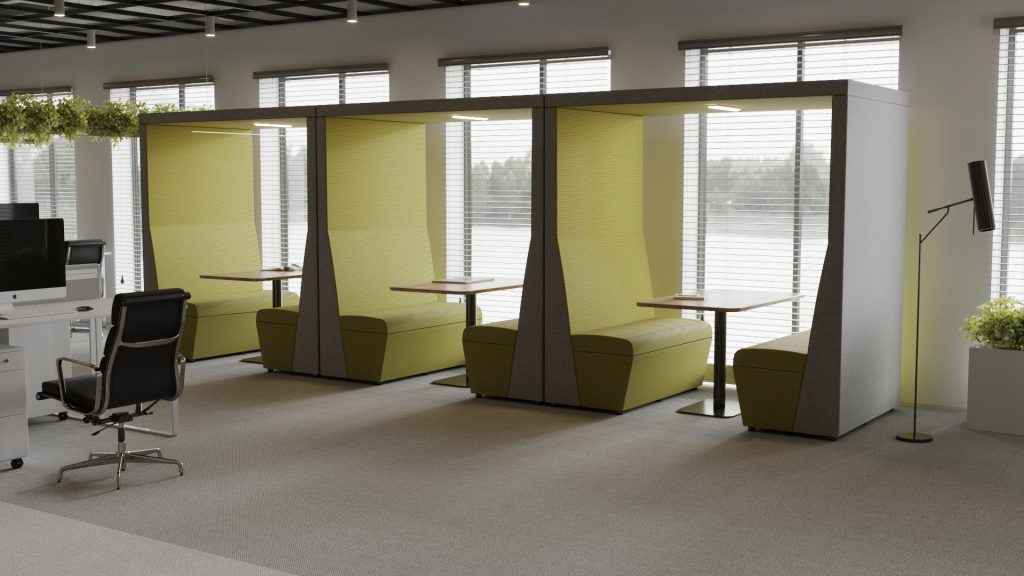
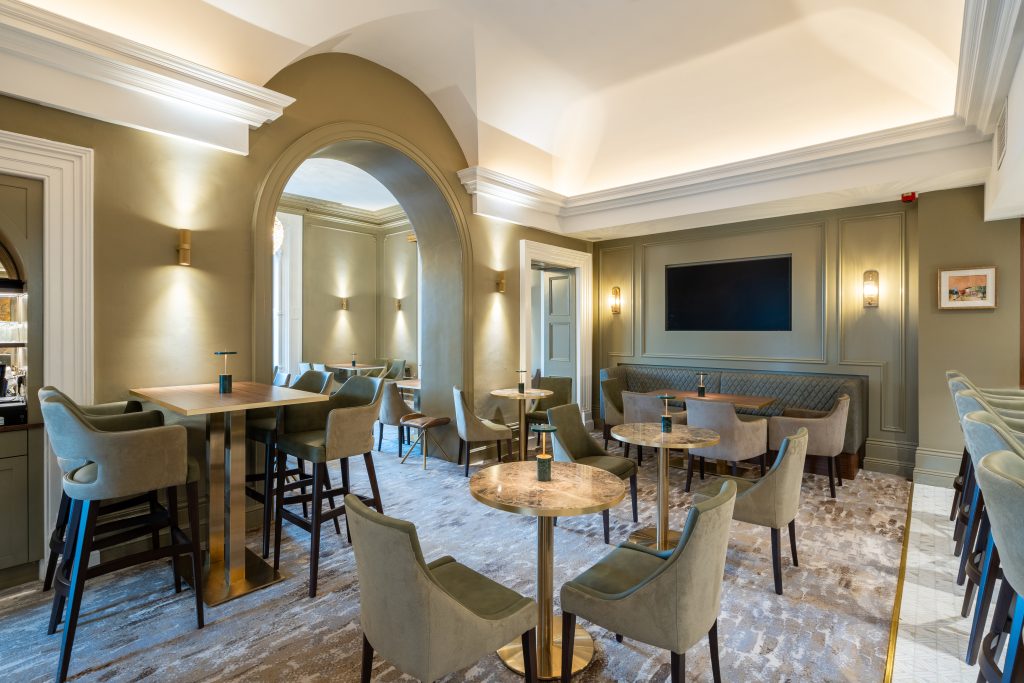
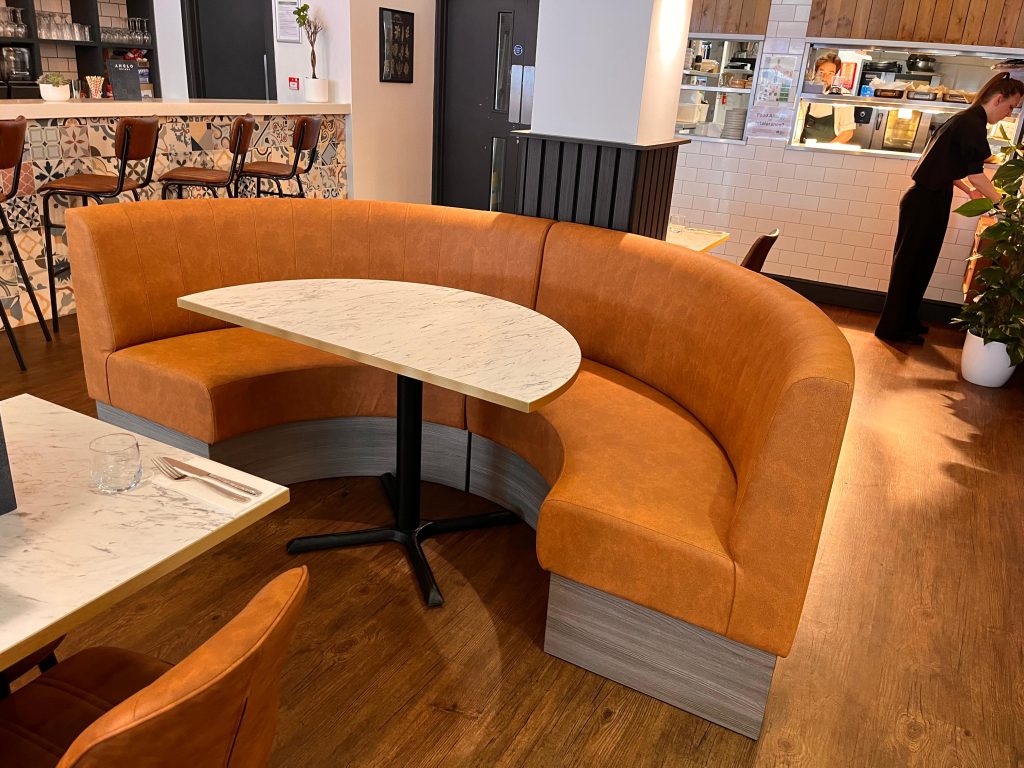
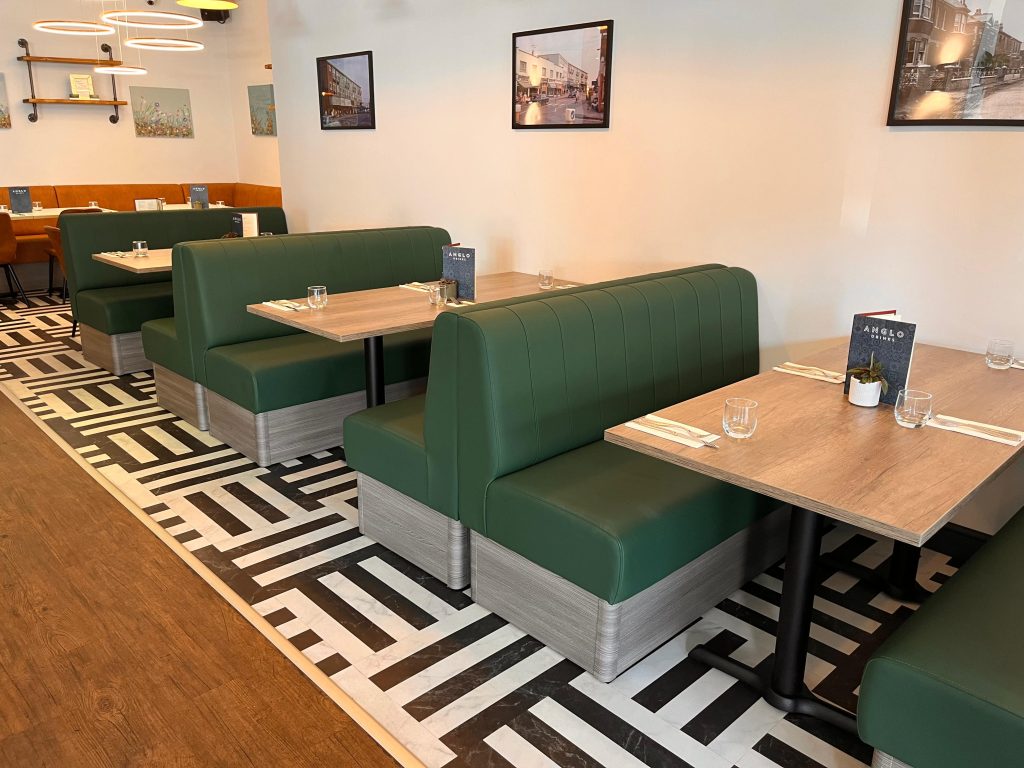
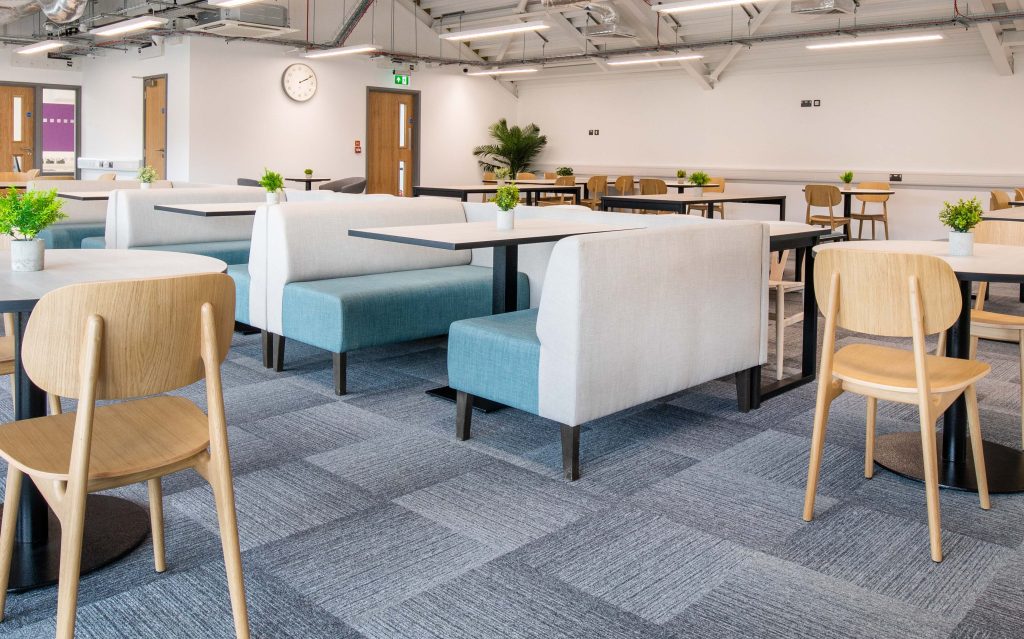
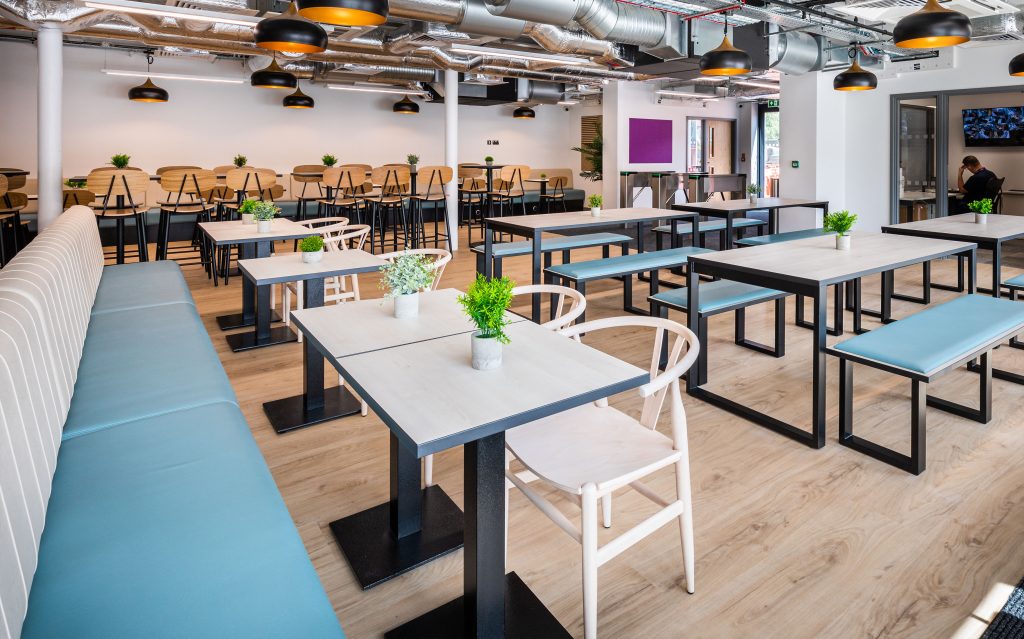
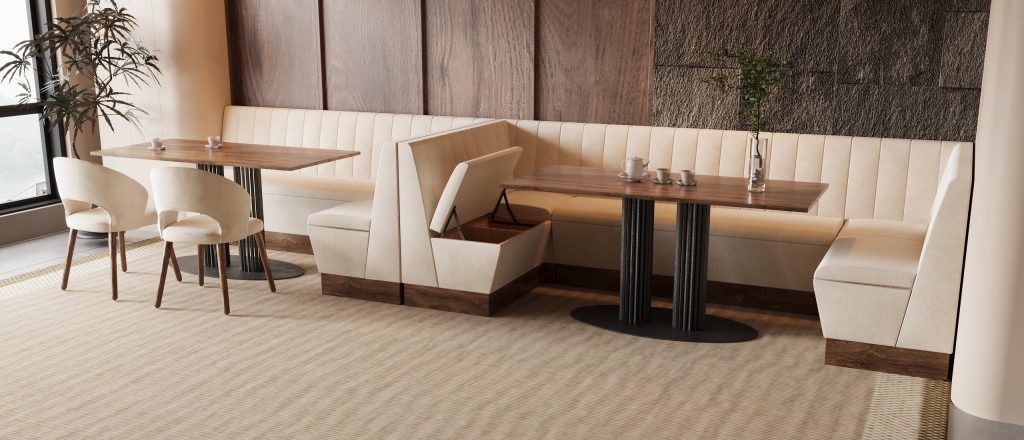
HCF Contract Furniture began as a family-run manufacturing business, rooted in traditional upholstery and furniture making, and has grown into a design-led manufacturer specialising in bespoke booth seating, banquette systems and acoustic meeting pods for commercial interiors.
From the outset, the focus has always been on combining strong design, practicality and build quality, rather than following trends. Much of our inspiration comes from real-world spaces – restaurants, bars, workplaces and hospitality environments – and from working closely with interior designers, architects and fit-out contractors to solve spatial and functional challenges.
To stay ahead, we invest heavily in in-house design, CAD development and prototyping, allowing us to refine ideas quickly and respond to evolving client needs. Being a made-to-order manufacturer gives us the flexibility to innovate continuously while maintaining consistency and quality across our core collections.
2. How do you use intellectual property to protect that creativity and ensure your unique designs remain exclusive to HCF Contract Furniture?
We have taken a proactive approach to IP over the years, from documenting design development and maintaining detailed 3D design records, through to registering and enforcing our rights where appropriate. This ensures that the time, expertise and creativity involved in developing new products remain protected and exclusive to HCF.
For us, IP protection isn’t about restricting creativity, it’s about creating a fair environment where original design is respected and rewarded.
3. Many ACID members experience copying and lookalike products. Have you ever faced situations where your designs were infringed upon, and if so, how did you respond to protect your IP?
To date, we’ve not faced a situation where our designs have been physically copied or manufactured by another party.
Like many businesses in the digital age, we do occasionally see our imagery reused online without permission, which highlights how easily creative work can be shared or misappropriated.
Having ACID membership in place gives us real peace of mind. Knowing that we have access to expert support and clear routes for action means that if a situation were to arise where one of our designs was copied or produced without authorisation, we could act quickly and confidently to protect our intellectual property.
4. What do you see as the biggest IP challenges for creative businesses like yours, and how do you stay ahead in protecting your ideas?
One of the biggest challenges is the speed at which designs can now be copied and reproduced, particularly in a digital-first marketplace where images and drawings are easily shared.
Another challenge is the perception that copying is low-risk or inconsequential. In reality, it undermines innovation and disadvantages businesses that invest time and resources into original design.
We stay ahead by embedding IP awareness into our design process, staying informed on legislation, and working with organisations like ACID that actively support and advocate for creative businesses.
5. As ACID members, what benefits or resources have you found most valuable in supporting your creative journey, particularly in defending your rights and safeguarding innovation?
ACID has been an invaluable resource in providing expert guidance, reassurance and practical support around IP protection. The ability to access clear advice online, understand our rights, and draw on ACID’s experience when dealing with potential infringements gives us confidence to innovate without hesitation. Beyond that, being part of a community that actively campaigns for stronger protection of design rights is hugely important to us as a UK-based bespoke manufacturer.
6. Can you give us a glimpse of what’s next? Do you have any exciting new designs, innovations, or collaborations coming to market that you can share with us?
We’re continuing to expand our collections with a strong focus on modular systems, acoustic solutions and adaptable seating that respond to the evolving needs of hospitality and workplace environments.
Several new designs are currently in development, alongside refinements to existing ranges, with an emphasis on flexibility, sustainability and long-term durability. We’re also exploring new collaborations with designers and specifiers to bring fresh perspectives into our future collections.
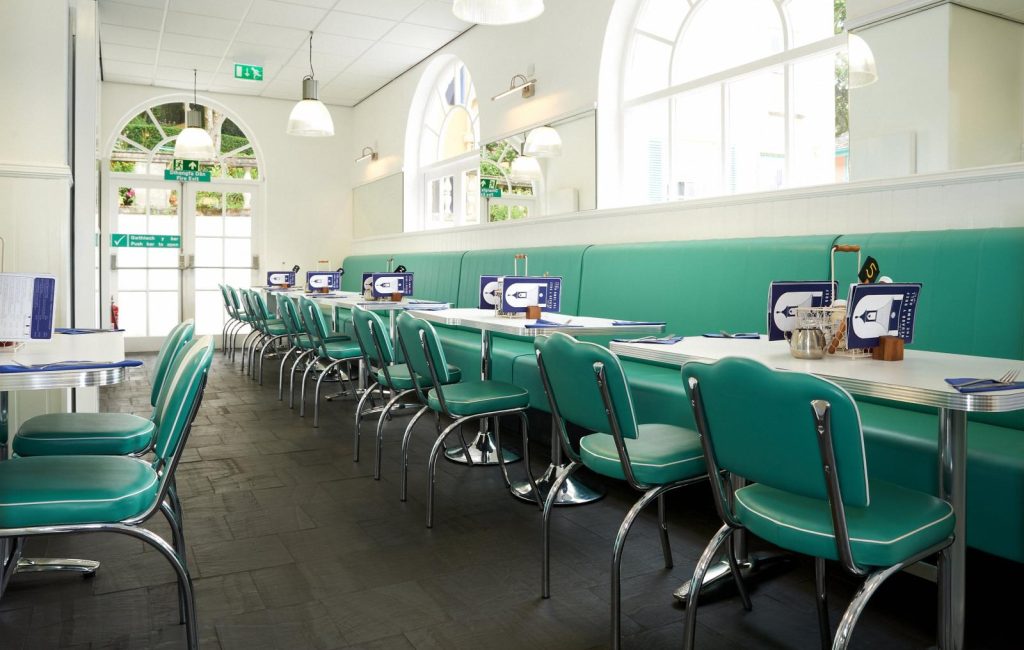
We’ve been putting a large amount of focus into developing our dedicated booth and banquette seating section recently.
7. ACID values the support of its members to enable it to campaign for design law reform. Do you have any messages for Government/Policy Makers on IP issues? Do you think that copying of designs is deliberate and blatant?
Design is a critical part of the UK’s creative and manufacturing economy, and stronger protection for design rights is essential to ensure businesses can continue to invest in innovation with confidence.
Copying is often deliberate and calculated, not accidental, and current legislation does not always reflect the realities faced by creative businesses today. We would urge policymakers to recognise the value of original design, strengthen enforcement mechanisms, and ensure that design protection is accessible, effective and fit for purpose in a modern marketplace.
Supporting design protection is ultimately about supporting fair competition, innovation and long-term economic growth.
8. Finally, have you signed the ACID IP Charter?
Yes, we have signed the ACID IP Charter and fully support its aims.
We believe it plays an important role in promoting respect for original design, encouraging fair competition, and reinforcing the value of intellectual property within the creative industries.
Spread the Word
Latest News
Newsletter Sign-Up
| Cookie | Duration | Description |
|---|---|---|
| cookielawinfo-checkbox-analytics | 11 months | This cookie is set by GDPR Cookie Consent plugin. The cookie is used to store the user consent for the cookies in the category "Analytics". |
| cookielawinfo-checkbox-functional | 11 months | The cookie is set by GDPR cookie consent to record the user consent for the cookies in the category "Functional". |
| cookielawinfo-checkbox-necessary | 11 months | This cookie is set by GDPR Cookie Consent plugin. The cookies is used to store the user consent for the cookies in the category "Necessary". |
| cookielawinfo-checkbox-others | 11 months | This cookie is set by GDPR Cookie Consent plugin. The cookie is used to store the user consent for the cookies in the category "Other. |
| cookielawinfo-checkbox-performance | 11 months | This cookie is set by GDPR Cookie Consent plugin. The cookie is used to store the user consent for the cookies in the category "Performance". |
| viewed_cookie_policy | 11 months | The cookie is set by the GDPR Cookie Consent plugin and is used to store whether or not user has consented to the use of cookies. It does not store any personal data. |